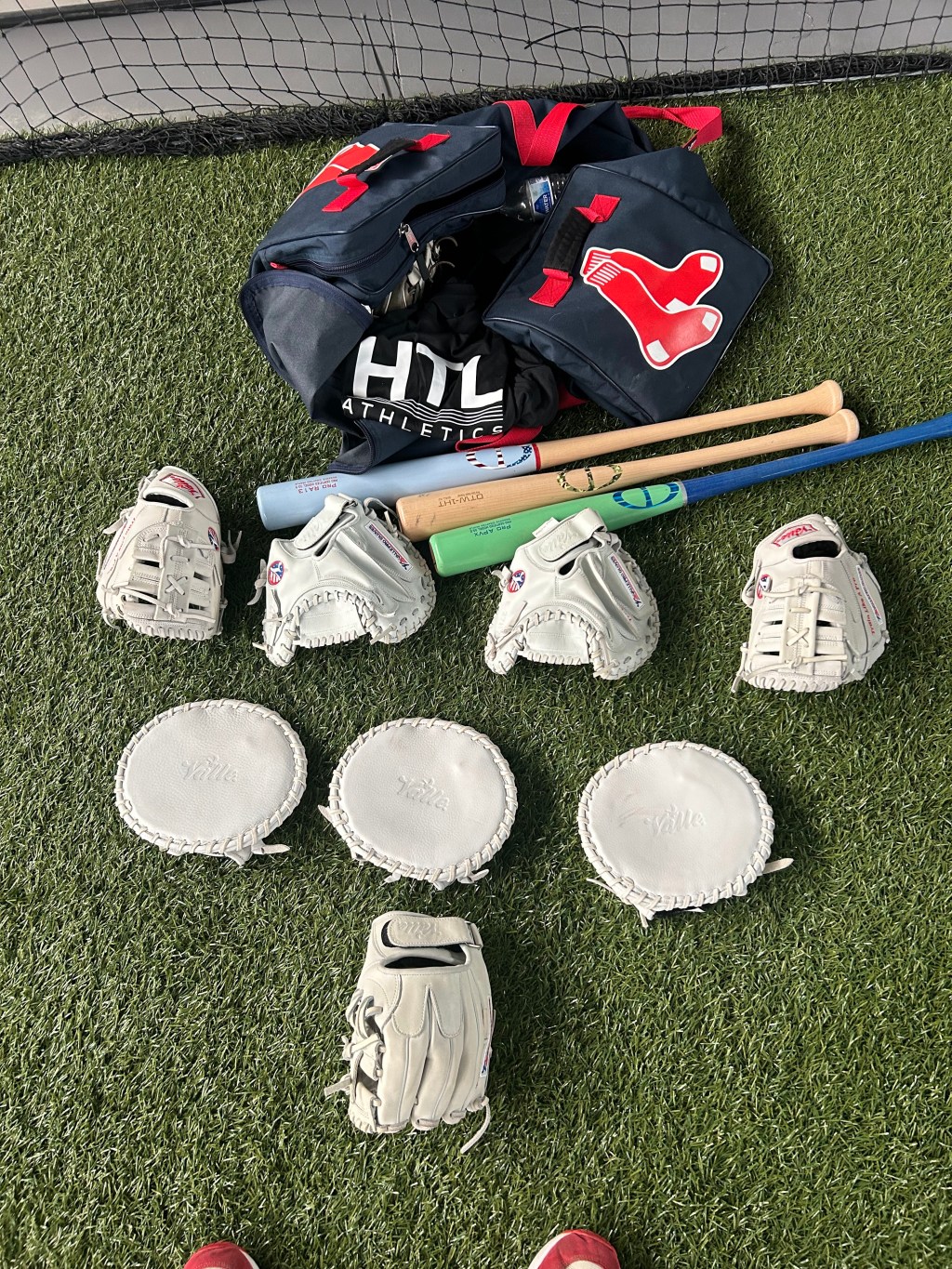
How do high school and college players with dreams of playing in the MLB prepare themselves, and give themselves the best opportunity to get drafted and take that important first step into the beginning of their professional baseball career? The answer is not simple because it should be based on individual ability, talent, and personal needs.
Speaking with MLB Area scouts and cross-checkers there are certain metrics that players must be at in order to be considered a draft prospect. But what if those players don’t know exactly where they stand and have not trained in those specific areas because they have spent all their time and effort playing games and not getting better training?
No doubt that there are certain “showcase” companies that are less than perfect for this game with yearly revenue increases and investor funds that encourage players to take on larger work loads each summer. For those players that have a chance at playing at the next level, the fallacy that they must keep playing all summer and not invest in training is absolutely absurd.
A definite balance between the two is important and the ability of both to coexist in the best interest of the player is crucial. But when players have the wrong people in their corner that have a personal agenda in place when making recommendations to the players they train and or coach, players can lose valuable time training if they aren’t completely ready for that jump.
I had the pleasure of asking some of the 2022 and 2023 Boston Red Sox Draft Picks that I had the incredible opportunity to train what their route to professional baseball looked like. Although this is a small sample of the players that get drafted year to year, you can draw your own conclusions on what is more important showcasing or performance training. Here is what they had to say!!
Mikey Romero, Infielder, Boston Red Sox, 2022 MLB Draft, 1st Round- 24th pick overall. Orange Lutheran HS
⁃Question: Before committing to attend college or enter the MLB Draft, did you invest in skill specific performance training or did you attend different showcases to try and gain recognition?
-Answer: Invest in training, go to showcases if you are actually ready to showcase something. I would attend big invite only showcases because I had performed well and was ready for talent showcases.
Nazzan Zanetello, Infielder, Boston Red Sox, 2023 MLB Draft, 2nd Round- 50th pick overall. Christian Brothers College HS
⁃Question: Before committing to attend college or enter the MLB Draft, did you invest in skill specific performance training or did you attend different showcases to try and gain recognition?
-Answer: Pre draft I personally invested more into training because I felt as if I had established my game well enough to not have to showcase myself too much for teams. I still did events like draft combine and everything and a few pre draft workouts but most of my summer was spent training for whatever came next whether it was school or pro ball
Kristian Campbell, Utility, Boston Red Sox, 2023 MLB Draft, 4th Round- 132nd pick overall. Georgia Tech University
⁃Question: Before committing to attend college or enter the MLB Draft, did you invest in skill specific performance training or did you attend different showcases to try and gain recognition?
-Answer: For me it was to play summer baseball and train. I would recommend more training, if you want to go to a showcase you should go to a college prospect camp so the coaches can see you in person.
⁃Question: Knowing what you know now, what if anything would you change?
-Answer: Nope definitely not. I would try to play consistently and as much as possible.
Blake Wehunt, RHP, Boston Red Sox, 2023 MLB Draft, 9th Round-268th pick overall. Kennesaw State University
⁃Question: Before committing to attend college or enter the MLB Draft, did you invest in skill specific performance training or did you attend different showcases to try and gain recognition?
-Answer: Definitely performance training due to the simple fact that you have nothing to showcase if you don’t first try and improve your skills as much as possible
-Question: Knowing what you know now, what if anything would you change?
-Answer: The main thing I’d do differently is implement lifting weights and body health early as possible. I didn’t really get into lifting until late into high school. I think if I could’ve gotten into taking care of my body earlier it would’ve helped me build building blocks for what I’m trying to do now.
Nelly Taylor, OF, Boston Red Sox, 2023 MLB Draft, 11th Round-328th pick overall. Polk State College
⁃Question: Before committing to attend college or enter the MLB Draft, did you invest in skill specific performance training or did you attend different showcases to try and gain recognition?
-Answer: So before the draft, I was invited to about 8 pre-draft workouts, which you may already know. But I didn’t have anyone specific I was training with pre draft, my dad and I would just go to a local hitting facility weekly where I would practice there. I tried to invest my time in both but I would say that showcasing was very important to my ability for exposure and growth in getting drafted with me coming from a juco and not a power 5 program where they’re actually on tv every night. So I think that I had to prove to teams that there’s still room for a lot of growth and potential. Before committing I would say training is more important so that you are putting yourself in a better position to be stronger, confident, and prepared for that next step. Having people in your corner with great connections also plays a long way.
⁃Question: Knowing what you know now, what if anything would you change?
-Answer: My first offseason I would say I should have done more higher level hitting training rather than thinking hitting slow machines and arm bp everyday was going to be enough rather than investing in a hitting coach for the offseason.
Stanley Tucker, Utility, Boston Red Sox, 2023 MLB Draft, 19th Round-568th pick overall. Texas A&M University
⁃Question: Before committing to attend college or enter the MLB Draft, did you invest in skill specific performance training or did you attend different showcases to try and gain recognition?
-Answer: Me personally, I invested in a combination of both. I invested in showcases because I wanted to get my name out there more. Not a lot of people knew me or knew of me so I knew I had to invest in showcases to get known. But also from those showcases the feedback I was getting was to continue to develop and so the best way for me to do that was invest more into training, but I know a lot of people who value playing more. It’s different for every player. Everybody is in different situations and needs to do different moves to get the most out of their careers.
⁃Question: Knowing what you know now, what if anything would you change?
-Answer: Knowing what I know now I wish I would’ve maybe gone to a few more showcases at a younger age just to get known quicker because I didn’t start going to showcases until I was in high school. But I wouldn’t do anything differently on the training side. I started training when I was in the 7th grade and it pushed me to be the best I could be in all facets. To me I think that was the most important thing in my development. Especially playing multiple sports.
Overall Takeaway:
Players with the dreams of making it to the next level make decisions about their future based on coaches’ opinions, family pressure, financial situation, and social status. The reality is that certain players should be attending showcases because they have invested the time in training to have skills to showcase, and there are also players that need to invest more in skill specific training that can be put on display in the future. However, in today’s culture, training takes too much time, and results can be slow.
Actions to Consider
1. Train 1 to 2 days a week on performance specific skill training during the week and play on the weekends. Extra live swings are always great but for pitchers extra workload innings in combination with training can lead to negative factors such as fatigue.
2. Players need to take control of their future and honestly asses their readiness for showcases. If you know that you need some work training, put in the work. Going to showcases to get “shelled” is not a good thing.
3. If you are a draft prospect you need to be playing and training with other draft prospects. This will help the mental and emotional preparedness alongside skill development for professional prospects. “Iron Sharpens Iron”.
4. Both training and showcasing cost money, find the right combination for you that fits your financial situation. Invest in what is more important!!
In conclusion, those that have good people in their corner that can be honest in their conversations with players and give good advice are more likely to sway the player to do the right thing for their future. Finding the right combination of training and showcasing is extremely important, sacrificing one for the other can be detrimental for the player. As players, you need to be honest with yourself and know if you are ready to showcase, if not training is the way to go. As parents, the team your child plays for is not a social-status experiment, it is your duty to encourage your player, motivate and be honest with them. If they need to train then train, if they have the ability to showcase then go right ahead. As coaches or trainers, your agenda should not supersede the needs of the players you have been entrusted to be a role model for and develop.
 Coach’s Corner
Leave a comment