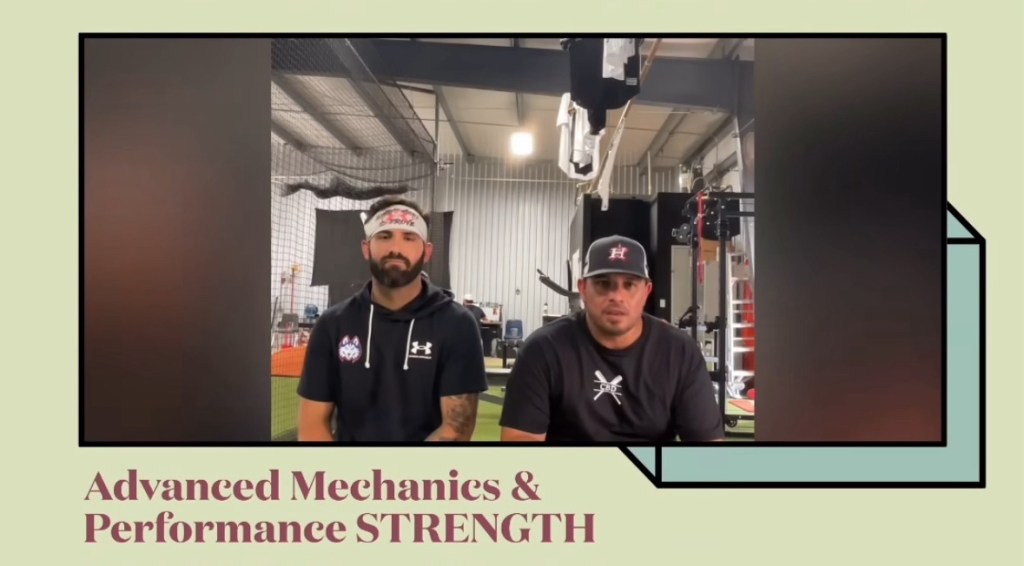
In the pursuit of athletic excellence, many athletes dedicate countless hours honing their skills in their specific sport—whether it’s baseball, basketball, soccer, swimming, or track and field. While technical expertise and sport-specific strategies are vital, one aspect of training often holds the key to unlocking an athlete’s full potential: a well-designed, comprehensive strength and conditioning program.
Strength and Conditioning (S&C) is not just for bodybuilders or those looking to bulk up. It’s an essential component for every serious athlete, regardless of the sport. It complements and amplifies the skills and tactics learned through specialized training, providing the foundation of physical fitness that athletes need to perform at their peak. Whether you’re swinging a bat, sprinting on the track, shooting a basketball, or swimming laps, your body needs to be strong, fast, and durable to support the demands of your sport.
1. The Science Behind Strength and Conditioning
Strength and conditioning programs are built on a blend of science, biomechanics, and practical application. They focus on improving several key physical attributes that influence athletic performance:
- Strength: The ability to exert force against resistance. In sport, strength allows athletes to generate powerful movements, whether in sprinting, tackling, throwing a baseball, or shooting a basketball.
- Power: A combination of strength and speed, power is crucial for explosive movements, such as jumping, sprinting, or throwing.
- Speed: The ability to move quickly across a field or court, or to execute rapid, reactive movements.
- Endurance: The capacity to sustain physical activity over an extended period, which is necessary for endurance athletes like marathon runners or those playing high-intensity team sports.
- Agility: The ability to change direction quickly without losing balance or speed—critical in sports that require constant shifting of position, such as baseball, football or tennis.
- Flexibility and Mobility: The range of motion in joints and muscles, which helps prevent injuries and promotes efficient movement patterns.
These qualities are developed through targeted exercises, which often include weight training, plyometrics, agility drills, cardiovascular conditioning, and flexibility routines.
2. Bridging the Gap Between Sport-Specific Skills and Physical Performance
While sports-specific training develops the techniques necessary for success in a given sport, strength and conditioning programs focus on building the physical attributes that support those techniques. For example, a soccer player can perfect their dribbling, passing, and shooting abilities, but without the necessary strength, speed, and stamina, they won’t be able to execute those skills effectively when it counts.
Consider the explosive acceleration needed to outrun an opponent on the soccer field or the ability to jump high enough to score a basketball dunk. These physical attributes don’t just come from practicing sports-specific movements; they are the result of systematic training that targets strength, power, and agility.
A strength and conditioning program tailored to an athlete’s sport will complement their training by:
- Increasing strength and power to improve performance in sport-specific movements.
- Enhancing speed and agility to make athletes quicker on their feet.
- Preventing injuries by improving muscle balance, flexibility, and joint mobility.
- Boosting endurance, enabling athletes to maintain a high level of performance throughout the duration of a game or competition.
3. Reducing the Risk of Injury
Injuries are an inevitable part of sports, but a well-rounded strength and conditioning program can dramatically reduce the risk of injury. Strength training not only builds muscle but also strengthens ligaments, tendons, and bones, providing greater support to joints and reducing the likelihood of strains, sprains, and tears.
For example, athletes who focus on strengthening their core, hips, and knees are better equipped to handle the physical stresses of running, jumping, and pivoting, which are common in sports like baseball, basketball, football, and soccer. Furthermore, improving flexibility and range of motion through mobility exercises can reduce muscle tightness and imbalances that often lead to injury.
A good strength and conditioning program also teaches athletes how to move properly—using the correct form when lifting, running, or jumping—reducing the risk of overuse injuries and poor biomechanics that can develop over time.
4. Building Functional Strength for Sports-Specific Movement
Unlike the stereotypical “gym strength” that may focus on isolated muscle groups, functional strength training prepares athletes for the specific movements they will encounter in their sport. Instead of focusing on a single muscle group, functional training incorporates compound movements that mimic the demands of sports.
For example:
- Squats and lunges help build lower-body strength essential for hitting and pitching.
- Olympic lifts like the clean and jerk develop power and coordination, which translate into explosive movements on the field.
- Rotational exercises improve torso strength and mobility, vital for athletes in sports like tennis, baseball, and swimming.
- Plyometrics (jumping drills, bounding exercises) build explosive power for sprint starts, vertical jumps, and quick direction changes (infielders & outfielders).
Incorporating these functional exercises into an athlete’s training regimen ensures they can perform sport-specific movements more effectively and with greater ease.
5. Speed and Agility: The X-Factor
Speed and agility are often the difference-makers in sports performance. Being faster or more agile than the competition gives athletes an edge, whether it’s sprinting to the end zone in football, closing the gap on a fly-ball, or weaving through defenders in basketball.
A proper strength and conditioning program incorporates drills that enhance an athlete’s acceleration, deceleration, and ability to change direction rapidly. Agility ladders, cone drills, short sprints, and change-of-direction exercises challenge the body’s neuromuscular system, teaching it to react quickly and efficiently. By improving speed and agility, athletes can not only improve their game performance but also avoid situations where their lack of quickness may lead to poor decisions or injury.
6. The Role of Periodization and Recovery
A successful strength and conditioning program isn’t about training hard all the time; it’s about smart training. This is where periodization—the strategic cycling of training intensity and volume—comes into play. By alternating periods of high intensity with rest or lower-intensity training, athletes can avoid burnout and overtraining while maximizing gains in strength, speed, and endurance.
Moreover, recovery is an often-overlooked but critical component of any training program. Without proper rest, nutrition, and recovery practices, the body doesn’t have the time it needs to repair itself and adapt to the stresses placed upon it. Adequate sleep, hydration, and stretching routines play a key role in ensuring that athletes are not only able to perform at their peak but also stay injury-free and avoid fatigue-related performance declines.
7. Asking the Professionals: Advice from Coaches in Professional Sports
1.In your opinion what is the biggest misconception of strength and conditioning programs for athletes?
- You can out-work bad habits. Our guys who get the most from the weight room live their whole life as an athlete not just at the complex. They want to win their game, their workout, their practice, their meals, their recovery, and their sleep. You can’t expect to see your best results if you leave the weight room and slam fast food and stay up all night
2. What recommendations would you have for youth players when it comes to getting bigger, faster, stronger?
- For youth: don’t run to specialized or specific training programs. You need to build a foundation of general strength before layering high level qualities. Focus on doing the basics well.
- For any athlete looking to take their game to the next level, integrating a comprehensive strength and conditioning program into their training regimen is essential. It’s not enough to just train to be a better baseball player, soccer player, or swimmer—you also need to train to be a stronger, faster, and more explosive athlete. The result? Better performance, fewer injuries, and a more resilient body capable of reaching its highest potential.
8. The Bottom Line: A Holistic Approach to Athletic Development
In conclusion, strength and conditioning are foundational elements of any athlete’s training program. A high-caliber strength and conditioning program doesn’t just build muscle, it builds performance. By improving strength, power, speed, endurance, and agility, athletes can not only maximize their performance in their specialized sport but also minimize their risk of injury, increase their longevity in the sport, and develop a more balanced, well-rounded athletic profile.
 Coach’s Corner
Leave a comment