
Throughout my career, I have had the privilege of coaching and teaching multiple disciplines within the game of baseball such as infield, outfield, baserunning, and hitting. These experiences have allowed me to continue to learn more about myself and the game of baseball in general, enriching my understanding of its intricate strategies and nuances. Each discipline offers unique challenges and rewards, from perfecting the art of fielding to analyzing the intricacies of a player’s swing.
Working with diverse groups of athletes has not only enhanced my coaching abilities but has also deepened my appreciation for the dedication and hard work required to excel in this sport. Through countless practices, games, and one-on-one sessions, I have witnessed the transformative power of baseball, both on and off the field, shaping not only skilled players but also resilient individuals.
Shut Up and Listen: Become a Sponge
Upon entering the world of professional baseball, I quickly realized that some of the incredible staff members I was now amongst had forgotten more baseball than I had learned in my 20 plus years of playing and coaching. Their deep understanding of the game was both humbling and inspiring, as they shared their wealth of knowledge with unwavering generosity.
One of my most valued experiences was having the ability to learn from these great mentors, whose tips, tricks, and advice were not only priceless but also irreplaceable in shaping my approach to the game. The clubhouse, chow hall, training rooms, bus rides, and fields became a vibrant classroom for my professional development, where every interaction and every shared story contributed to my growth.
This immersive learning environment fostered a sense of camaraderie and collaboration that profoundly enriched my understanding of the sport. The insights gained from these experiences have left a long-lasting impact on me, fundamentally influencing the way I develop players and approach coaching for years to come, as I strive to pass on the same wisdom that was so generously imparted to me.
Growth Mindset: The Desire to Continue to Learn and Have an Open Mind
Being a good coach is not about knowing everything, but it does require someone who is willing to continue to learn and grow both personally and professionally. The “Coach” role requires someone who is not only a leader but also a mentor and a confidant, an excellent communicator who can articulate strategies effectively and inspire passion in their team. This individual must deeply understand the dynamics between players and coaches, recognizing individual strengths and weaknesses, and knowing how to tailor their approach to meet the varying needs of each athlete.
Building meaningful relationships is crucial, as it involves earning trust, fostering a supportive environment, and achieving buy-in from everyone involved. Excelling in these categories allows coaches to add significant value to their organization, creating a culture of accountability and excellence. What they bring to the table is much more powerful than just game knowledge; it encompasses emotional intelligence, strategic thinking, and a commitment to cultivating talent, thus making you an Organizational Leader who can drive the team toward sustained success.
My Experiences: The Foundation of Player Development
Some of the most crucial coaching traits I have developed through my experiences not only in professional baseball but also as a player, teacher, and trainer include the ability to adapt and learn continuously. I credit having a Growth Mindset for allowing me to push my ego aside and encouraging me to realize that baseball requires a holistic approach to development that necessitates input and collaboration from multiple sources. This journey has taught me the importance of fostering open communication among players, coaches, and support staff, as well as promoting a culture where constructive feedback is valued and embraced. By understanding that everyone involved brings unique perspectives and skills to the table, I have been able to create an environment where innovative ideas flourish, ultimately enhancing the overall performance of the team.
Team Dynamics: Be a Team Player
I took ownership of the training environments I created for multiple aspects of the game on a daily basis in order to earn the trust of my peers and players. By meticulously designing and maintaining these training settings, I ensured that every athlete had the opportunity to thrive and develop their skills systematically. I am a firm believer that collaboration with disciplines such as Strength & Conditioning, Sports Science, Nutrition, and Mental Skills, to name a few, is of the utmost importance for the development of elite level players.
Engaging with professionals from various fields not only fosters a well-rounded approach to player development but also encourages a sense of community and support among the team. Different points of view, ideas, and resources create an aligned vision for each player, paving the way for innovative training methods that can elevate performance and enhance resilience. Ultimately, it is this collaborative effort that lays the foundation for success on and off the field.
Core Traits: What You Do, and How You Do It
Creativity and curiosity motivated me to find new industry trends and innovative training methods that were not only challenging and thought-provoking but also promoted key attributes such as athleticism, adjustability/adaptability, and crucial decision-making skills. I aimed to create an immersive experience where players could engage in industry-leading training environments, designed to closely mimic real-game situations.
By incorporating a variety of techniques and approaches, I sought to ensure that each player’s training was comprehensive and tailored, ultimately enhancing their performance on the field. My commitment was to foster an atmosphere of growth and exploration, where athletes could feel empowered to push their limits, learn from their experiences, and translate these skills seamlessly into in-game play.
Communication: Be Clear With Expectations, Goals and Direction
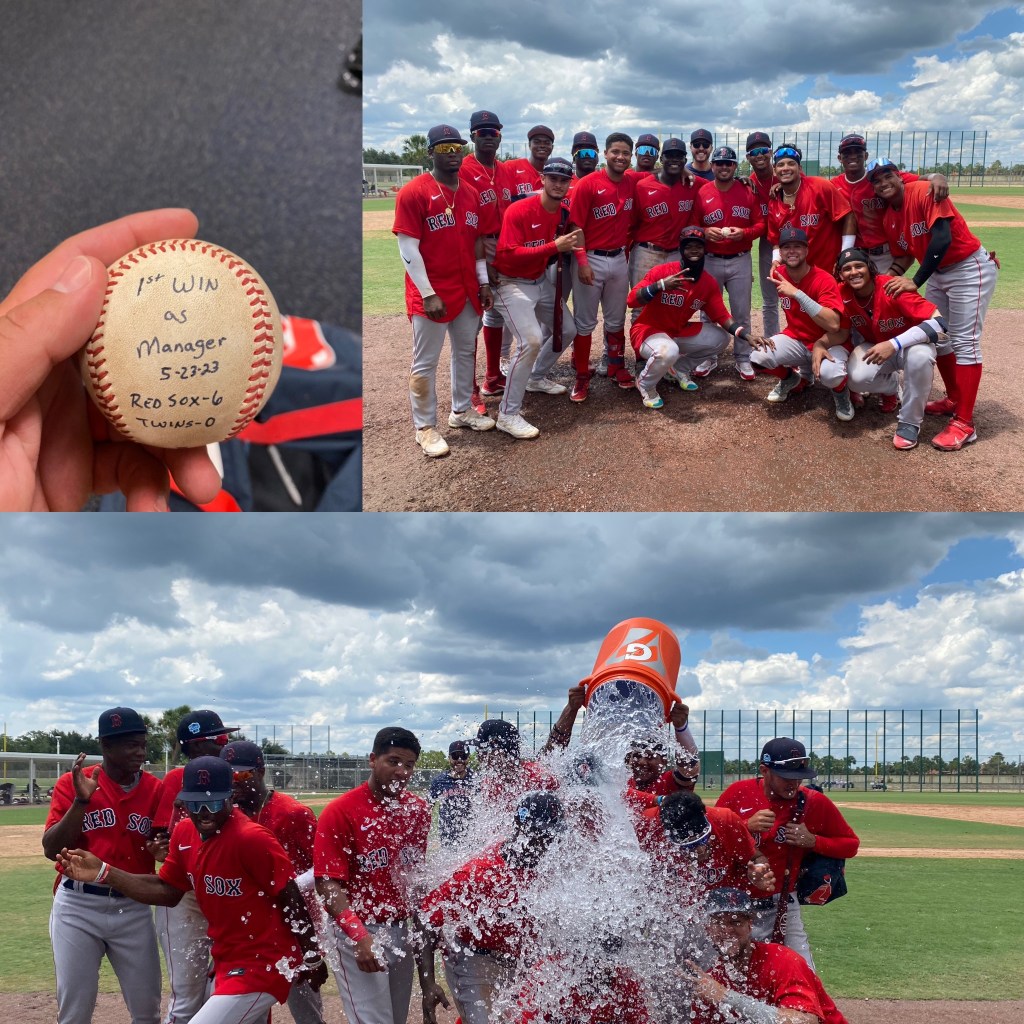
An incredible opportunity that I had during my time with Boston was filling in as the Manager. This opportunity not only allowed me to put my leadership skills to work but also to learn and apply high-level communication skills with various stakeholders, including leadership, staff, coaching staff, and players. Engaging in meaningful conversations with each group helped me understand their perspectives and foster a collaborative environment. This life skill was prominently displayed during morning meetings with staff, where we would discuss daily objectives and goals, working diligently on schedules, and holding myself and others accountable for doing our individual jobs effectively. I found that encouraging open communication led to a more engaged team atmosphere.
Most importantly, I took charge of running team meetings and orchestrating team drills, where my core values—such as being a good teammate, consistently doing my job as an individual, and leaving things better for the next person—were effectively communicated and vividly displayed, creating a positive and productive culture within the team. This experience not only enhanced my professional capabilities but also deepened my understanding of teamwork and the importance of leadership in sports.
Empowerment & Accountability: Be a Resource Not The Answer Key
- I strongly believe that teaching players to hold themselves accountable for their job, actions, and failures builds championship caliber players and championship caliber people. By allowing players the space to learn for themselves promotes accountability and pride in their work and effort. In this regard, it is also important to be there for them when they need direction, clarification, or input, providing guidance while fostering independence. This balance encourages them to take ownership of their development, equipping them with the skills necessary to thrive in competitive situations and to grow not only as athletes but as individuals prepared for the challenges life may present.
- Held others to a high standard, but have an expectation and a higher standard of excellence for myself. In order for me to do my job at a high level, my organization skills, and attention to detail must be at a high level also. This commitment to personal excellence not only enhances my performance but also sets a tone that encourages those around me to rise to the occasion. I believe that fostering a culture of high standards can lead to collective success, prompting everyone to strive for their own best work while maintaining a collaborative spirit.
- I pride myself on believing that nobody should ever be able to question my work ethic. This means leaving no doubt in anybody’s mind, including my own, that I am doing everything possible every single day to make sure our players are prepared and trained for the next level by setting the example of an unparalleled work ethic. Every morning, I start my day early, dedicating extra hours to ensure that my approach is comprehensive and effective. I continuously assess and refine my strategies, striving for excellence in every aspect of my commitment. This relentless pursuit not only fosters accountability within myself but also influences those around me, encouraging them to adopt a similar mindset of diligence and determination.
Final Thoughts
I encourage readers to reflect on their own growth mindset. Are you being open to new ideas, or are you stuck in your old ways? This introspection is essential because embracing new perspectives can catalyze profound transformation in both your personal and professional life. Be mindful that the day you become satisfied is the day that growth stops, and you never want to stop growing. Complacency can lead to stagnation, which dulls your potential and limits your experiences. Instead, strive to remain hungry for knowledge, eager to learn, and willing to adapt. You want to remain humble, recognizing that no one person has all the answers and that growth often comes from collaboration and open dialogue. Moreover, you want to remain intense and relentless in the pursuit of something better, consistently challenging yourself to step outside your comfort zone and embrace the discomfort that comes with change, as it is often a sign of progress and development.
 Coach’s Corner
Leave a comment